Building an AI strategy and policy for K–12 school districts

AI is already part of how districts operate and how classrooms function. The question is no longer whether to adopt it, but how to do so responsibly, safely, and effectively. District leaders need a clear framework for platform adoption, governance, and execution at scale.
What is an AI strategy for K-12 districts?
An AI strategy is a proactive plan for how a district uses AI to support instruction and operations. It aligns tools, policy, governance, and professional learning to district goals, helping leaders move from reactive decisions to intentional, well-supported adoption.
Why districts can’t ignore AI anymore
AI is already part of daily teaching and learning, often without clear guidance. As workloads grow and staffing challenges persist, districts face pressure to act. States like Ohio and Tennessee now require AI readiness, making clear AI policy for K-12 essential to avoid unvetted tools and unnecessary risk.
Strategic use cases for AI in education platforms in K-12 districts
When districts adopt AI platforms, use cases should be tied to clear instructional and operational needs. AI policy in schools is often designed to support literacy and writing, provide scaffolding for multilingual learners, and offer targeted support for students with disabilities in ways that align with IEPs and instructional goals.
Operationally, districts use AI to support teacher planning, professional learning, reporting, and internal communication. These use cases focus on reducing administrative workload and improving consistency across schools. By prioritizing a defined set of use cases, districts can focus on impact and oversight rather than expanding AI use without clear purpose.
What is the ROI of an AI education platform for K-12 districts?
For K–12 districts, ROI shows up in both instructional and operational gains.
Instructionally, districts look for more consistent feedback, stronger differentiation, and better support for diverse learners without adding to teacher workload. Operationally, ROI often includes time saved on planning, reporting, and communication, along with improved consistency across schools.
For district leaders, the highest returns come from platforms that reduce fragmentation, support safe and responsible use, and scale across classrooms while maintaining trust, compliance, and instructional quality.
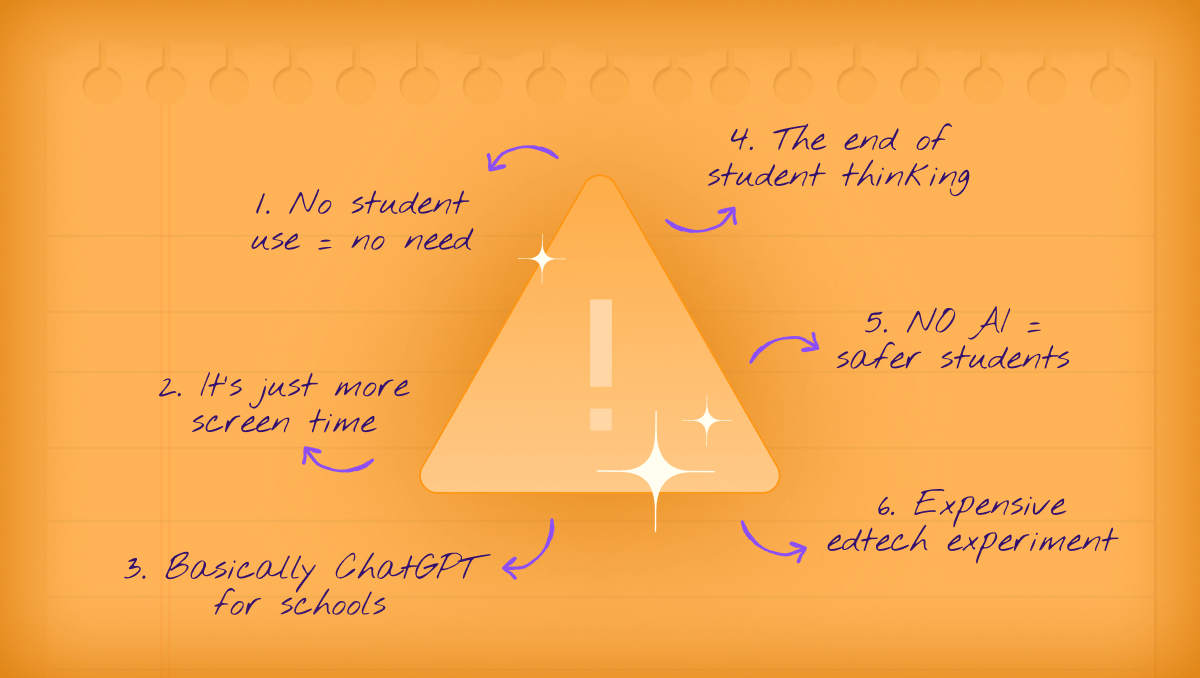
How do K-12 districts address concerns and build guardrails for safe use of AI?
Districts build trust in AI by setting clear guardrails before tools are widely used. Privacy and security need to be addressed up front, along with how accuracy, bias, and appropriate use are monitored over time. A successful AI policy for K-12 districts includes clear expectations around supervision, helping educators and students understand how AI should support learning without replacing it.
Choosing the right AI education platform is part of this work. Districts benefit from vendors built for K–12, with transparent policies and systems designed to support oversight and compliance. When these foundations are in place, AI use becomes easier to manage and easier to explain.
Developing a successful K-12 AI strategy
A successful K–12 AI strategy brings together instruction, policy, governance, and implementation into a shared plan. It starts with clear goals for how AI should support teaching, learning, and operations, followed by guardrails that address safety, privacy, and responsible use. Strong strategies also account for readiness, professional learning, pilot design, and how decisions will scale over time.
Rather than reacting to new tools or trends, districts benefit from an approach that sets priorities, defines roles, and creates clear paths from exploration to adoption.
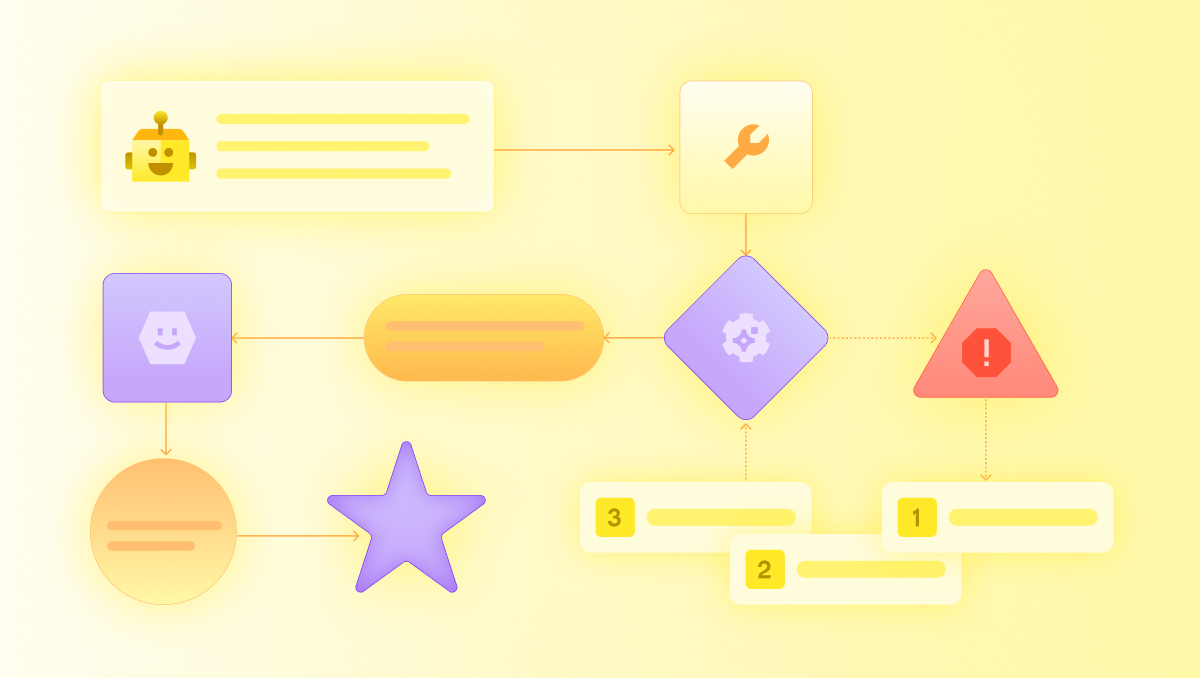
How to build an AI implementation roadmap for your K–12 district
An AI implementation roadmap outlines how a district moves from planning to sustained use over time. It typically includes phases for readiness assessment, pilot design, evaluation, scaling, and ongoing monitoring. Along the way, the roadmap connects key decisions around policy, governance, professional learning, and platform adoption so efforts stay coordinated rather than fragmented.
Effective roadmaps also account for pacing. Not every school or team will move at the same speed, and that flexibility should be built in from the start. By defining milestones, success criteria, and clear next steps, districts can move forward with clarity while maintaining oversight.
Who owns the AI policy in a K-12 district?
AI policy ownership is shared across district roles, with clear responsibilities at each level to support safe and effective use.
Superintendents and district leaders
Set overall direction, ensure alignment to district goals, and connect AI use to policy, governance, and community expectations.
Board members
Provide oversight, approve school AI policy frameworks, and ensure AI adoption aligns with district values and legal responsibilities.
IT and data teams
Evaluate platforms, manage security and privacy requirements, and support systems integration and ongoing monitoring.
Legal and compliance teams
Ensure alignment with student data laws, accessibility requirements, and risk management practices.
Principals and instructional leaders
Support implementation, reinforce expectations, and help ensure AI is used appropriately in daily instructional practice.
Clear role definition helps districts move forward with confidence and consistency.
How MagicSchool can help
Building an AI strategy and roadmap for schools takes clear priorities, strong guardrails, shared ownership, and ongoing support as adoption grows. MagicSchool partners with districts to bring these pieces together, supporting leaders as they plan, implement, and scale AI in ways that align with instruction, policy, and community expectations.
Ready to take the next step? Book a demo to see how MagicSchool supports responsible AI adoption across districts. You can also download our AI Policy and Readiness Checklist for practical guidance to support planning and team alignment.
What is an AI strategy for K-12 districts?
An AI strategy for K–12 districts is a structured plan for how schools will use AI to support teaching, learning, operations, and district priorities. A strong AI strategy helps district leaders align AI adoption to instructional goals, data privacy expectations, staff training, and long-term implementation planning across schools.
What is the ROI of AI in education?
The ROI of AI in education comes from reducing repetitive teacher workload, improving instructional consistency, and expanding access to personalized student support. Many districts use AI tools to streamline lesson planning, feedback, differentiation, and administrative workflows so educators can spend more time focused on instruction and student engagement.
Why do K-12 districts need AI policies?
K–12 districts need AI policies to ensure AI tools are used safely, responsibly, and in compliance with student data privacy requirements. Clear AI policies help define approved use cases, establish guardrails for staff and students, and support consistent implementation across schools.
How can AI education platforms help K-12 districts?
AI education platforms help K–12 districts streamline workflows, support classroom instruction, and provide more consistent access to approved AI tools across schools. Many districts also use AI platforms to support professional development, instructional alignment, and responsible AI implementation at scale.
How do districts responsibly adopt AI?
Districts responsibly adopt AI by aligning tools to instructional goals, protecting student data, and providing clear guidance and staff training. Successful AI adoption also requires leadership oversight, approved tools, and ongoing evaluation of how AI supports teaching and learning outcomes.