AI usage guidelines for schools and districts
Use these examples and recommendations to develop clear AI usage guidelines for education in your district.
Define responsible use
Clear guidance helps educators understand how AI can support instruction, district operations, and student learning. While Acceptable Use Policies are a starting point, strong AI policy guidelines go further by showing when and how AI can be used in ways that align with district goals and classroom practice.
Instructional use
AI can support educators as they plan instruction, personalize learning, and provide meaningful feedback.
- Lesson planning and curriculum development
- Personalized feedback and assessment creation
- IEP drafting and special education support
- Content differentiation and enrichment activities
Operational use
AI can help district teams streamline routine work and improve communication.
- Streamlining administrative communication
- Grant writing and proposal development
- Meeting summaries and documentation
- Policy and procedure drafting
Student-facing use
When used thoughtfully, AI can help students explore ideas, strengthen their work, and build important skills.
- Brainstorming and ideation support
- Writing support and revision feedback
- Research guidance and source evaluation
- Creative project development
AI use should always include educator judgment, human oversight, and clear district guardrails.
Set clear boundaries for AI use
Clear boundaries protect instructional integrity, academic honesty, and student safety while clarifying where AI should and should not be used in schools.
Common prohibited uses
- AI-driven grading or disciplinary decisions without human review
- Entering personally identifiable student information into unapproved AI tools or platforms
- Using AI to bypass learning objectives or facilitate academic dishonesty
- Unmonitored student AI access, particularly in elementary grades
- AI-generated content in state assessments or final evaluations
AI policy guidelines and real-world examples
Many organizations, states, and school districts have started publishing AI guidelines for education. These resources can help inform your district’s AI policy development and implementation.
National guidelines
State examples

Learn more about AI strategy and policy
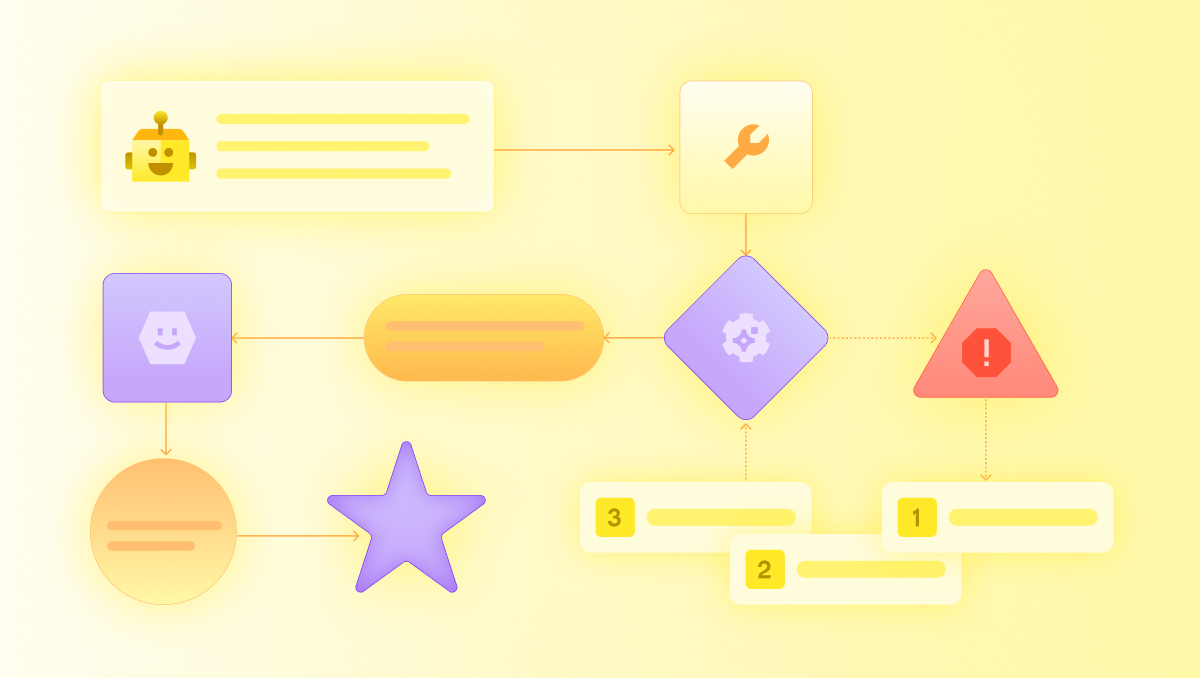
.jpg)

Explore the AI policy framework

Safety and privacy
Build strong guardrails for responsible AI use
Equity and access
Help AI benefit every learner
AI readiness and literacy
Help educators and students build essential AI skills

AI policy home
Explore the full AI policy framework